
Topical vs. Oral Pain Relief: Understanding Your Options for Everyday Aches and Muscle Recovery
Topical vs. Oral Pain Relief: Understanding Your Options for Everyday Aches and Muscle Recovery
Learn how different pain relief options fit different routines, and why targeted topical relief has become a modern wellness essential for daily recovery.
Explore Pain ReliefEveryday aches can show up in many ways. Maybe your shoulders feel tense after sitting at a desk all day. Maybe your legs feel tired after a workout. Maybe your lower back feels tight after travel, golf, gardening, pickleball, or simply a long day on your feet.
When discomfort appears, many people immediately think of oral pain relief because it is familiar. But topical pain relief has become increasingly popular for people who want a more targeted option that can be applied directly where they feel tension, soreness, or everyday muscle fatigue.
Both oral and topical options may have a place in a wellness routine. The key is understanding how they are different, when each may fit your lifestyle, and how to build daily recovery habits that support the way you move, work, travel, and rest.
Key Takeaways
- Oral pain relief is taken by mouth and works systemically throughout the body.
- Topical pain relief is applied directly to a specific area.
- Roll-ons, creams, gels, and serums are common topical formats.
- Topical products can be convenient for neck, shoulders, knees, wrists, elbows, back, and larger muscle areas.
- Daily recovery works best when paired with stretching, hydration, movement, rest, and consistency.
What Is Oral Pain Relief?
Oral pain relief refers to products taken by mouth, such as tablets, capsules, or liquids. These products are commonly used by many people for general aches, discomfort, or soreness.
Because oral products are taken internally, they move through the body in a systemic way. This is one reason many people choose them when they want an all-over approach rather than an application to one specific area.
As with any wellness or pain relief product, it is important to follow the directions on the label and speak with a healthcare professional if you have questions, take other medications, have a medical condition, or are unsure what is right for you.
What Is Topical Pain Relief?
Topical pain relief products are applied directly to the area where you want targeted support. They may come in several formats, including roll-ons, creams, gels, sprays, and serums.
For many people, the appeal of topical relief is convenience. Instead of taking something by mouth, you can apply the product exactly where you want it as part of your daily recovery routine.
Topical products are often used for areas such as the neck, shoulders, lower back, knees, wrists, elbows, hips, legs, and other muscles or joints that feel tired after daily activity.
Common Reasons People Use Topical Relief
- Long workdays at a desk
- Post-workout recovery
- Travel days
- Fitness routines
- Golf, tennis, pickleball, or walking
- Everyday muscle tension
- Targeted application before or after activity
Topical vs. Oral Pain Relief: A Simple Comparison
The right option depends on your needs, preferences, and the type of support you are looking for. This comparison can help you understand the basic differences.
| Consideration | Topical Pain Relief | Oral Pain Relief |
|---|---|---|
| How it is used | Applied directly to a specific area | Taken by mouth |
| Typical format | Roll-on, serum, cream, gel, or spray | Tablet, capsule, or liquid |
| Best fit | Targeted areas like neck, shoulders, knees, wrists, back, or legs | General use depending on individual needs |
| Routine use | Easy to keep in a gym bag, office, travel pouch, or bedside drawer | Portable and familiar for many people |
| Important reminder | Follow label directions and avoid sensitive areas | Follow label directions and consult a professional when needed |
Why Targeted Relief Fits Modern Wellness Routines
Modern wellness is about personalization. People are no longer looking for one-size-fits-all routines. They want options that fit their schedule, their movement, and their lifestyle.
Topical pain relief fits naturally into this mindset because it can be used exactly where needed. Someone who feels shoulder tension after working at a laptop may prefer a roll-on. Someone recovering after a long walk or workout may prefer a serum for larger muscle areas.
The goal is not to overcomplicate your routine. The goal is to have tools that support consistency and make daily recovery easier.
Botanika Life Pain Relief Roller
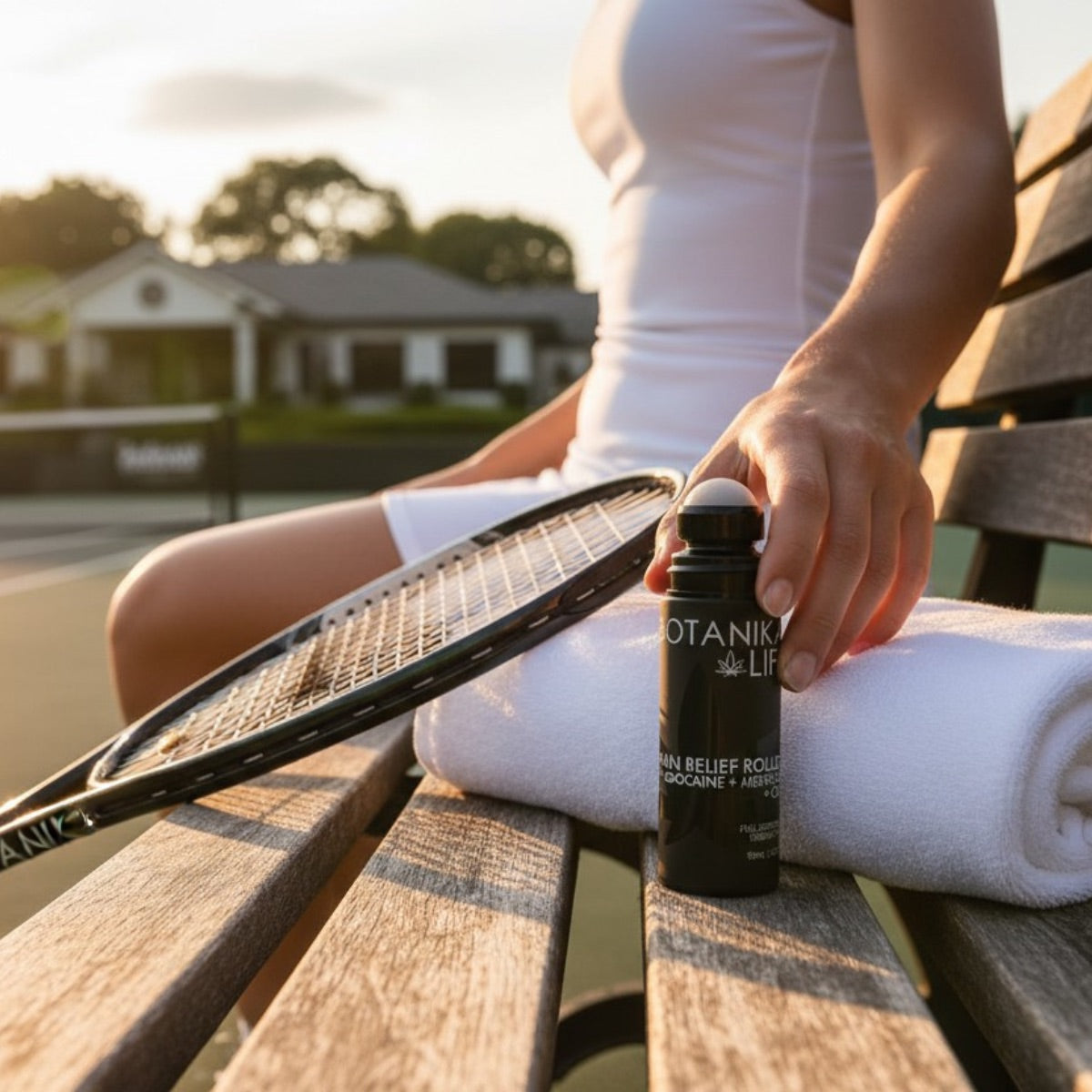
The Botanika Life Pain Relief Roller is designed for targeted, no-mess application when you want relief exactly where you need it.
Featuring:
- 4% Lidocaine
- Menthol
- Arnica
- Precision roll-on applicator
- Compact, travel-friendly design
Best for:
- Neck and shoulders
- Knees
- Wrists and elbows
- Gym bags and travel
- Office drawers and daily routines
When a Roll-On Makes Sense
A roll-on format is especially helpful when you want precision. It allows you to apply the product to a smaller area without using your hands, making it easy to use at home, at work, after a workout, or while traveling.
For example, a roll-on may be a convenient choice after a long day at your desk when your neck and shoulders feel tense. It may also be useful after a tennis match, golf game, long flight, or busy day on your feet.
The best part is that it fits easily into real life. You do not need a complicated routine. You simply apply it where needed, follow the product directions, and continue with your day.
When Larger Areas Need More Coverage
Sometimes you need more than a small, targeted application. Larger areas like the back, hips, legs, or shoulders may benefit from a serum-style product that can be massaged into the skin.
This type of format can be especially useful after physical activity, long walks, travel, or full-body recovery routines. It also pairs well with gentle massage, stretching, and evening wind-down habits.
Botanika Life Pain Relief Serum
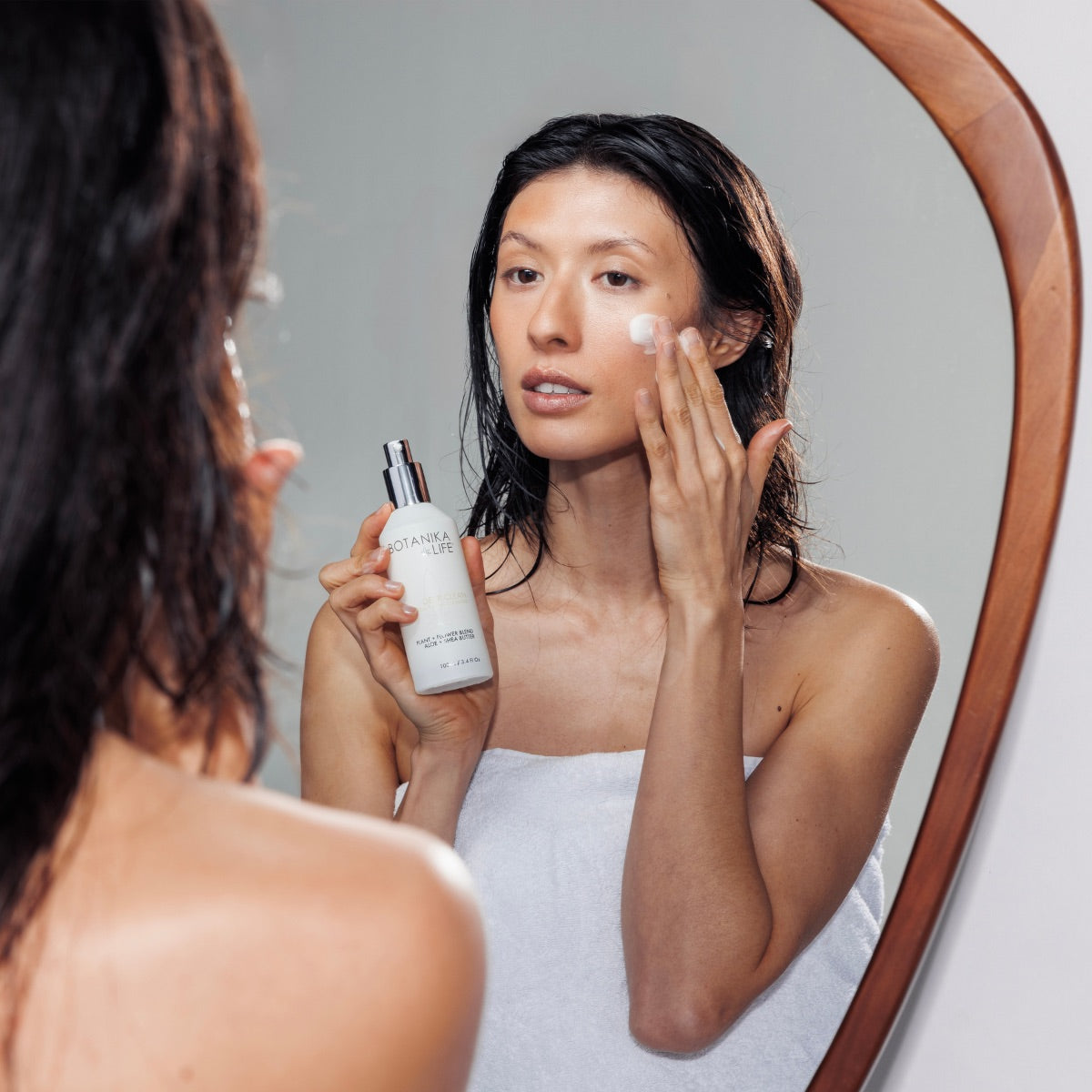
The Botanika Life Pain Relief Serum is designed for larger application areas and massage-style use as part of your daily recovery routine.
Featuring:
- Lidocaine
- Menthol
- Arnica
- Plant-based ingredients
- Smooth serum application
Best for:
- Back
- Legs
- Hips
- Shoulders
- Daily recovery and massage-style application
How to Choose Between a Roller and a Serum
Both formats can support a recovery routine, but they fit different moments.
| If You Want... | Consider... | Why |
|---|---|---|
| Quick targeted application | Pain Relief Roller | Easy to apply directly to one area |
| No-mess use | Pain Relief Roller | Roll-on applicator helps keep hands clean |
| Coverage for larger areas | Pain Relief Serum | Better suited for back, legs, hips, and shoulders |
| Massage-style application | Pain Relief Serum | Can be worked into the skin as part of a recovery ritual |
| Travel or gym bag convenience | Pain Relief Roller | Compact and easy to carry |
Daily Recovery Habits That Support Your Routine
Pain relief products can be helpful, but they work best as part of a larger recovery routine. The way you move, sleep, hydrate, and care for your body each day matters.
Simple Recovery Habits to Practice Daily
- Stretch for five to ten minutes after long periods of sitting.
- Take short walking breaks during the workday.
- Hydrate consistently throughout the day.
- Prioritize sleep and evening wind-down routines.
- Use gentle massage after workouts or long days.
- Keep a topical relief product in your gym bag, office, or travel bag.
- Listen to your body and rest when needed.
Small habits repeated consistently can make your routine feel more supportive and sustainable over time.
Where Topical Relief Fits Into Your Day
One reason topical products are so convenient is that they can be added to many different parts of your day.
- Morning: Use after stretching or before starting a long workday.
- Workday: Keep nearby for neck, shoulder, wrist, or back tension.
- Post-workout: Apply after training, walking, tennis, golf, or Pilates.
- Travel: Pack for flights, road trips, or hotel stays.
- Evening: Pair with stretching, massage, or a calming nighttime routine.
The best routine is the one you will actually follow. Keeping products visible and accessible makes it easier to stay consistent.
Common Mistakes to Avoid
To get the most from any pain relief or recovery product, it is important to use it thoughtfully.
- Skipping the label: Always read and follow product directions.
- Applying too much: Use as directed rather than overapplying.
- Using on sensitive areas: Avoid eyes, broken skin, and sensitive areas unless the product specifically says otherwise.
- Ignoring ongoing pain: If discomfort persists or worsens, speak with a healthcare professional.
- Forgetting recovery basics: Hydration, movement, rest, and stretching matter too.
Mini Recovery Routine Checklist
- Identify the area that needs support.
- Choose a roller for targeted application or a serum for larger areas.
- Apply according to the product directions.
- Pair with gentle stretching or mobility work.
- Hydrate and give your body time to recover.
- Repeat consistently as part of your wellness routine.
Frequently Asked Questions
What is topical pain relief?
Topical pain relief refers to products applied directly to the skin in a specific area. Common formats include roll-ons, creams, gels, sprays, and serums.
```What is the difference between topical and oral pain relief?
Topical products are applied externally to a specific area, while oral products are taken by mouth and work systemically throughout the body.
When should I use a roll-on instead of a serum?
A roll-on is helpful for smaller, targeted areas such as the neck, shoulders, knees, wrists, or elbows. A serum may be better suited for larger areas like the back, legs, hips, or shoulders.
Can I use topical pain relief after exercise?
Many people use topical products as part of their post-workout recovery routine. Always follow the directions on your product label.
What ingredients are commonly found in topical pain relief products?
Common ingredients may include lidocaine, menthol, arnica, and plant-based ingredients depending on the product formula.
Can topical pain relief be used every day?
Always follow the product directions for proper use. If you have questions about daily use or ongoing discomfort, consult a healthcare professional.
Where should I apply topical pain relief?
Apply only to the area indicated and follow label instructions. Avoid eyes, broken skin, and sensitive areas unless directed by the product label.
```Final Thoughts
Choosing between topical and oral pain relief does not have to be confusing. Each option works differently and may fit different moments in your routine.
For people who want targeted application, easy portability, and a product that fits naturally into fitness, work, travel, or recovery routines, topical pain relief can be a practical addition to daily wellness.
The most important thing is to build a routine that feels realistic, consistent, and supportive of your lifestyle.
Support Your Daily Recovery Routine
Discover Botanika Life's premium pain relief collection, designed for targeted application, everyday movement, post-workout recovery, travel, and modern wellness routines.
Explore Pain Relief